How to Choose Seasonal Flowers for [AREA] Weddings in 2024
Posted on 12/11/2025
How to Choose Seasonal Flowers for Weddings in 2024: The Definitive UK Guide
If you're planning a 2024 wedding, you're probably asking two very practical questions: which flowers will look breathtaking and stay within budget? And, honestly, how do you make choices that feel beautifully you without getting lost in a sea of options? This expert guide on how to choose seasonal flowers for weddings in 2024 will walk you through it all - trends, budgets, availability, sustainability, UK-specific rules, and real examples. We'll keep it warm, human, and to the point. No fluff, just what actually helps.
Truth be told, the most stunning wedding florals are rarely about throwing money at imported stems. They're about working with nature's calendar. Choosing seasonal wedding flowers in 2024 means better colour, better scent, better value - and fewer last-minute substitutions that stress everyone out. Imagine sweet peas on a June breeze, or dahlias glowing like embers in October light. You can almost smell it, right?
Below, you'll find a clear, deeply researched, and practical roadmap to choosing seasonal flowers for weddings in 2024 - grounded in UK availability, current design trends, and the realities florists navigate every day. There's even a real-world case study, a compliance section (because venues and insurance do matter), and a checklist you can download into your brain today.
Table of Contents
- Why This Topic Matters
- Key Benefits
- Step-by-Step Guidance
- Expert Tips
- Common Mistakes to Avoid
- Case Study or Real-World Example
- Tools, Resources & Recommendations
- Law, Compliance or Industry Standards (UK-focused)
- Checklist
- Conclusion with CTA
- FAQ
Why This Topic Matters
Weddings are emotional, visual, and intensely personal. Flowers carry memory and meaning: the rose your grandmother loved, the scent of lavender from childhood summers, the first peony you ever bought together. In 2024, couples in the UK care about both aesthetics and ethics. They're asking for seasonal, sustainable florals that don't compromise on beauty. To be fair, that's a big ask. But it's absolutely possible when you know how to work with the seasons.
Choosing seasonal flowers for weddings in 2024 matters because:
- Quality is higher: Seasonal stems are fresher, with richer colours and stronger scent. They haven't been flown halfway around the world, so they arrive with more life in them.
- Budgets go further: Seasonal flowers help you get more impact for your spend. You can splurge on design rather than paying premiums for out-of-season imports.
- Sustainability is real: Lower transport miles and supporting British growers align with 2024 values. It's not just a trend - it's a shift.
- Availability is reliable: Less last-minute "sorry, it didn't arrive." In season, stems are consistently available and easier to substitute like-for-like.
A quick picture. It was raining hard outside that day, properly British. Inside the studio, we opened a crate of Yorkshire-grown sweet peas: the perfume hit first, then that fluttering, paper-soft texture. One whiff and the bride's shoulders dropped; decision made. That's the power of seasonal.
Key Benefits
Here's what you gain by learning how to choose seasonal flowers for weddings in 2024 and working with UK availability:
- Design cohesion: The season guides your palette. Spring sings in pastels and delicate textures; autumn leans into russets, ochres, and plush, velvety blooms.
- Cost-efficiency: Seasonal flowers are typically more affordable; your money stretches into larger installations, layered tablescapes, or that flower meadow aisle, you know the one.
- Sensory experience: Seasonal flowers often smell stronger. A lilac cloud in May. Garden rose perfume in July. Amaryllis drama in December.
- Resilience: Flowers that suit the weather last longer on the day. Peonies in early June? Yes. Hydrangeas in a heatwave without misting? Maybe not.
- Sustainability & story: British-grown stems reduce miles and create a narrative: "this came from a grower 30 minutes away." Guests feel that sincerity.
- Creative flexibility: Seasonal abundance lets florists improvise. A crate of unexpected cosmos from a local grower? That's the kind of surprise you want.
And for 2024 specifically, the designs truly bloom with trends like colour blocking, foam-free installations, and the Pantone Colour of the Year: Peach Fuzz. It's soft, warm, and plays nicely across seasons.
Step-by-Step Guidance
Use this straightforward process to choose seasonal wedding flowers in 2024, with UK conditions in mind.
1) Start with your date, venue, and style
Your wedding date effectively sets your flower palette. Begin here. Venue matters too: high ceilings need taller stems; modern art spaces prefer minimal, sculptural arrangements.
- Winter (Dec - Feb): Amaryllis, anemones, ranunculus (late winter), roses, hellebores, paperwhites, hyacinth, camellia foliage, ilex berries, skimmia, eucalyptus, orchids.
- Spring (Mar - May): Ranunculus, anemones, tulips, narcissus, hyacinth, lilac (Apr-May), cherry and hawthorn blossom, viburnum opulus, spirea, sweet peas (Apr-Jun), early peonies (late Apr/May).
- Summer (Jun - Aug): Peonies (early June only), garden roses, spray roses, delphiniums, larkspur, foxgloves (June), sweet peas (till July), hydrangea, scabiosa, cornflowers, cosmos, zinnia, herbs (mint, rosemary), lavender, sunflowers.
- Autumn (Sep - Nov): Dahlias (peak Sep-Oct), chrysanthemums, amaranthus, celosia, rudbeckia, hydrangea, cosmos, rose hips, physalis, grasses, seed pods, autumn foliage.
Micro moment: We set up at a converted mill in the Cotswolds in late October. The dahlias looked like velvet under candlelight; guests kept leaning in, almost whispering. You'll see why autumn is irresistible.
2) Define your priorities and budget
No judgement here. Be honest about what matters most and what you're comfortable spending.
- Typical UK budgets: Small weddings from around ?750-?1,800; mid-size ?2,000-?4,500; large or abundant designs ?5,000-?12,000+. London venues often skew higher due to labour and logistics.
- Prioritise: If photographs matter most, invest in bouquets and ceremony focal pieces. If atmosphere is key, spread the spend across table styling and candlelight.
Tip: Seasonal flowers help you step up scale without stepping up cost dramatically. That wild meadow aisle? Far more achievable in season.
3) Choose a colour story that suits your season
Pick 2-3 core hues plus 1 accent. Keep contrast and undertones in mind.
- Winter: Icy whites, evergreen, deep burgundy, midnight blues. Add metallics for a modern edge.
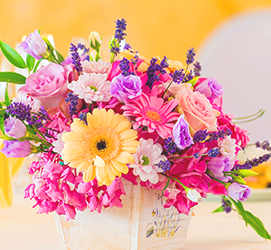
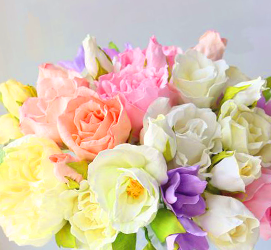
- Spring: Pastels, soft peach (hello, Peach Fuzz), lilac, butter yellow, fresh green. Dewy and delicate.
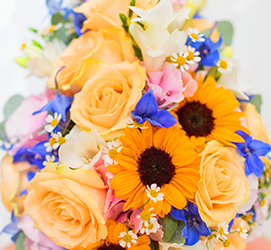
- Summer: Sorbet brights, coral, blush, sky blue, citrus. Or go bold with fuchsia/orange colour blocking.
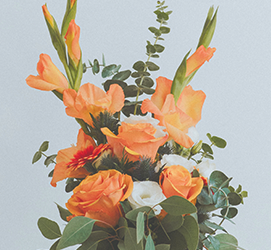
- Autumn: Rust, terracotta, plum, amber, moss. Velvety and warm. Classic.
Ever tried choosing everything at once and ending up with... everything? Keep it simple. Clean, clear, calm. That's the goal.
4) Decide on form and feel
In 2024, three aesthetics lead the way:
- Meadow-style: Natural, airy, "freshly gathered" look with movement. Perfect for spring and summer.
- Sculptural minimal: Ikebana-inspired shapes, negative space, single-stem moments. Works year-round, especially modern venues.
- Romantic classic: Full, rounded compositions with garden roses, peonies, hydrangea. Add texture with herbs or berries.
Personal aside: I once placed a single branch of flowering cherry on a registrar's table. That's it. The registrar cried first. Less can be more, sometimes startlingly so.
5) Plan fragrance and allergy considerations
- Fragrant favourites: Sweet peas, garden roses, lilac, stocks, lavender, jasmine.
- Go lighter if guests have sensitivities: ranunculus, anemones, tulips, orchids, many chrysanthemums.
- Pollen-free options: ask for pollen-removed lilies or choose alternatives like lisianthus and roses.
Practical note: Keep very scented blooms away from food stations and top tables where guests sit for long stretches.
6) Think sustainability from the start
Couples choosing seasonal wedding flowers in 2024 often prioritise sustainability. It's smart to build it in early:
- Ask about British-grown supply in season via collectives like Flowers from the Farm.
- Request foam-free mechanics (wire, chicken wire, vessels, reusable frames) to reduce microplastics.
- Plan to repurpose ceremony flowers for the reception. Move aisle meadows to the top table. Easy win.
- Arrange donations to care homes or guests after the event; reduce waste and spread the joy.
7) Book consultations and get a proposal
Bring 5-8 inspiration images, your colour palette, floor plan, and an outline budget. Ask your florist for seasonal recommendations and a substitution plan if peonies run short or heatwaves hit (it happens!).
In our experience, you'll notice the best proposals include stem lists that flex with the weather. It's not hedging; it's professional.
8) Approve samples for key pieces
For high-stakes items (bridal bouquet, a table mock-up), request a sample or detailed digital mock. This reduces surprises and calms last-minute jitters. Yeah, we've all been there.
9) Confirm logistics early
- Delivery windows with the venue, including access for set-up and break-down.
- Water sources and prep areas (especially for summer weddings).
- Rigging points for installations; provide dimensions and load limits.
- Plan B for heatwaves or cold snaps: shade, misting bottles, or a cool storage room.
10) Final checks, one month out
- Confirm quantities and placements (tables, ceremony, bar, photo corners).
- Check venue policies on open flames, confetti, and rigging.
- Share schedule: bouquet delivery time, photo windows, room turnarounds.
- Nominate a point person for moving pieces between spaces.
On the day, give your bouquet a tiny water drink between portraits. Two minutes, big difference.
Expert Tips
- Follow the farmer's calendar: If British peonies end early (often mid to late June), pivot to garden roses, scabiosa, and early dahlias. Still dreamy.
- Design for distance: Ceremony flowers should read from 6-10 metres away. Go bigger and bolder for focal areas; keep tables intricate and low for conversation.
- Cluster colour: 2024 loves colour-blocking. Group similar hues together instead of evenly mixing. It photographs modern and intentional.
- Lean into texture: Herbs, seedheads, and grasses add movement and make palettes feel expensive without blowing the budget.
- Work with light: North-facing rooms swallow colour. Add candlelight, metallic vessels, or richer tones.
- Prep for heat: In summer, prioritise heat-tolerant stems (orchids, roses, chrysanthemums, lisianthus). Keep hydrangea and sweet peas hydrated to the minute.
- Stay scent-savvy: Strong fragrance is gorgeous at the entrance, too intense for place settings. Balance is kind.
- Personalise with meaning: A sprig of rosemary for remembrance, a bloom from a family garden, a ribbon in your grandma's shade of blue. Small, but it lands.
One more thing: photos love restraint. Give the eye room to rest. Negative space is your friend in 2024's modern visuals.
Common Mistakes to Avoid
- Chasing out-of-season stems without a backup plan. Peonies in November? Possible, but fragile and pricey. There are better choices.
- Underestimating labour: Installations take hours and skilled teams. Budget for set-up and strike, especially in central London.
- Ignoring venue rules: Open flame restrictions, confetti bans, load limits for suspended pieces - check early.
- Overloading tables: Too many tall arrangements can block sightlines and conversation. Mix heights thoughtfully.
- Forgetting water: Bouquets and buttonholes need hydration windows, especially in heatwaves.
- No repurposing plan: Ceremony pieces often live for hours after - move them. Stretch that investment.
- Copying Pinterest literally: Many images are editorial or out-of-season abroad. Use them for vibe; let your florist translate to your date and place.
Ever tried clearing a room and found yourself keeping everything? Weddings can be like that. Pick your moments, and let the rest breathe.
Case Study or Real-World Example
Sophie & Arjun - Early Summer London Wedding, June 2024
Venue: Hackney Town Hall ceremony, reception at a modern gallery nearby. 120 guests. Desired vibe: colour-forward, joyful, slightly wild. Budget: ?3,800 for florals.
Seasonal palette: Soft peaches (nod to 2024's Peach Fuzz), coral, butter yellow, minty green, pops of fuchsia.
Stems: Early June British peonies (three varieties), garden roses, sweet peas, foxgloves, larkspur, scabiosa, mint, and flowering jasmine. Foliage: beech and eucalyptus. Back-up list included dahlias and spray roses if peonies ran short.
Design highlights:
- Meadow-style arrangements lining the ceremony aisle, later moved to the top table.
- Colour-blocked bud vases across long reception tables (low and chat-friendly).
- Statement bouquet with coral charm peonies and trailing jasmine.
Logistics: Set-up 8am-12pm. Rain showers on and off (classic), so bouquets were kept cool by a north-facing window. Aisle meadows had hidden water sources and were relocated during the drinks hour.
Outcome: Guests raved about the scent of sweet peas at the entrance. Photographs captured that ripe, early-summer joy. A local care home received reworked arrangements the next morning. The couple's note read: "It looked like music."
Lesson learned: season-first planning meant substitutions were minimal, stress was low, and every pound worked hard.
Tools, Resources & Recommendations
Here's a curated, UK-leaning toolkit for choosing seasonal wedding flowers in 2024:
- Seasonal calendars: Flowers from the Farm has UK seasonal guides for British-grown stems (flowersfromthefarm.co.uk).
- Horticultural reference: Royal Horticultural Society plant profiles and seasonality notes (rhs.org.uk).
- Industry bodies: British Florist Association for standards and finding qualified florists (britishfloristassociation.org).
- Sustainability: Sustainable Floristry Network guides on foam-free mechanics and ethical sourcing (sustainablefloristry.org).
- Colour planning: Pantone Colour of the Year 2024 - Peach Fuzz inspiration (pantone.com).
- Mood boards: Pinterest, Canva, or Milanote for sharing visuals with your florist.
- Table planning: Floorplanner or simple Google Sheets for mapping where arrangements go.
- Budgeting: A simple spreadsheet with categories: bouquets, ceremony, tables, installations, candles, labour, delivery, VAT.
- Backup planning: Keep a living "substitution list" aligned to your season so swaps feel intentional, not second-best.
Pro tip: Bring your venue's floor plan and some photos taken at the time of day you'll be using the space. Light changes everything.
Law, Compliance or Industry Standards (UK-focused if applicable)
Not the glamorous bit - but crucial. Here's what to know for UK weddings in 2024:
- Public liability insurance: Ensure your florist has adequate cover (often ?2m-?5m), especially for installations and venues with public access.
- Venue policies: Many London and heritage venues have strict rules on open flames, confetti (biodegradable only), surface protection, and rigging. Confirm in writing.
- Health & Safety: Installations at height require appropriate ladders/scaffolding and risk assessments. Ask your florist about their method statements.
- Waste duty of care: Under the Environmental Protection Act 1990, florists must dispose of waste responsibly. Asking about their waste carriers license is reasonable.
- Biosecurity: Cut flowers are generally lower risk than plants-for-planting, but reputable suppliers follow APHA guidance for imports and plant health checks. Choose florists who source through compliant channels.
- Foam-free best practice: While the UK hasn't legislated a total ban on floral foam microplastics, 2024 best practice is to avoid foam where possible and use reusable mechanics.
- Allergens: Consider guest sensitivities; strong fragrances and high-pollen blooms should be placed thoughtfully.
- Electrical safety: Any lights integrated into installations must be PAT tested if the venue requires it. Keep water vessels clear of electrics.
- Confetti: Many venues specify biodegradable paper or real petals only; some historic interiors ban confetti entirely. Check your contract.
UK couples often assume the florist will "just sort it." Usually true - but it helps to ask these questions early so nothing derails the design later.
Checklist
Use this to simplify "how to choose seasonal flowers for weddings in 2024". Short, sharp, and effective.
- Lock your date and venue; note access times and restrictions.
- Pick a colour story (2-3 core colours + an accent) aligned to your season.
- Define priorities (bouquet, ceremony, tables, install) and a headline budget.
- Collect 5-8 images that capture the vibe, not exact stems.
- Book a florist consultation; ask for seasonal suggestions and substitutions.
- Request foam-free mechanics and British-grown stems where feasible.
- Confirm logistics: delivery, set-up, strike, parking, load-in route.
- Check venue rules on candles, confetti, rigging, and water protection.
- Plan repurposing: aisle to top table, ceremony urns to bar, etc.
- Arrange donations or flower-wrapping for guests post-reception.
- Approve key samples (bouquet, table mock) 2-4 weeks out.
- Final check: weather plan (heat or cold), hydration strategy, point person.
Pin it to your fridge, or your forehead. Either works.
Conclusion with CTA
Choosing seasonal flowers for weddings in 2024 isn't about saying "no" to your dream stems; it's about saying "yes" to what nature is doing beautifully, right when you need it. Seasonal designs look richer, last longer, and feel more you. They let you invest in meaning and atmosphere instead of paying premiums for out-of-season imports that might underperform.
If you remember only three things, make them these: trust the season, design for the space, and plan for the practicals. Do that and you'll walk into your ceremony and think, quietly, this is us.
Get a free quote today and see how much you can save.
Here's to flowers that feel like home. And to moments that linger, long after the last candle goes out.
FAQ
What are the best seasonal flowers for a spring wedding in the UK?
March to May shines with ranunculus, anemones, tulips, narcissus, hyacinth, lilac (Apr-May), viburnum opulus, spirea, and sweet peas (Apr-Jun). Early peonies appear late April or May depending on weather. Delicate textures and soft pastels thrive in spring.
Can I get peonies for a summer wedding in 2024?
In the UK, peonies are usually at their best late May to mid-June. After late June, availability and quality drop. For July or August, consider garden roses, ranunculus (if imported ethically), early dahlias, or chrysanthemums for a similar lush feel.
How much do wedding flowers cost in the UK in 2024?
Budgets vary by scale and location. As a guide: small weddings ?750-?1,800; mid-size ?2,000-?4,500; large or installation-heavy events ?5,000-?12,000+. London logistics can add costs for labour, delivery, and access.
Are seasonal flowers always cheaper?
Usually, yes, because they're more abundant and need less transport. But design, labour, and installation complexity matter too. Seasonal flowers help your budget stretch into bigger looks or more areas rather than dramatically slashing totals.
We love fragrance - how do we incorporate it without overwhelming guests?
Feature scented blooms at entrances, in bouquets, and in airy spaces. Use lighter-scented options for dining tables. Great choices include sweet peas, garden roses, stocks, and herbs; avoid placing heavy fragrances right near seats for hours.
What's trending for wedding florals in 2024?
Colour blocking, foam-free mechanics, British-grown stems, meadow-style aisles, sculptural minimal pieces, and palettes nodding to Peach Fuzz. Also popular: repurposing ceremony flowers for the reception and integrating candles for warmth.
Can flowers be sustainable without looking rustic?
Absolutely. Foam-free, seasonal, and locally sourced designs can be sleek and editorial. Think sculptural branches, grouped colour, and refined vessels. Sustainability is a method, not a style limitation.
How far in advance should we book a florist?
For popular spring and summer dates, 9-12 months in advance is smart. Autumn books quickly too. If your date is midweek or off-peak, 6 months can work. Earlier is safer if you want specific designers or large installations.
What if a flower isn't available the week of our wedding?
Your florist should provide a substitution plan in your proposal. In-season swaps maintain the same colour, texture, and feel. For example, if peonies run short, garden roses and ranunculus maintain that soft, ruffled romance.
Are there allergy-friendly flower options?
Yes. Consider blooms with lower pollen like roses, orchids, ranunculus, tulips, lisianthus, and many chrysanthemums. Request pollen-removed lilies or avoid lilies altogether. Place scented flowers away from dining tables if guests are sensitive.
Can we repurpose ceremony flowers for the reception?
Definitely, and it's one of the smartest 2024 cost-savers. Aisle meadows to the top table, altar pieces to the bar or photo backdrop, and pedestal arrangements by the entrance. Plan logistics and assign a person to move them carefully.
What flowers last best in summer heat?
Roses, orchids, chrysanthemums, lisianthus, and zinnias perform well. Hydrangeas and sweet peas can wilt in heat; keep them hydrated to the minute and place them away from direct sun or drafts. Misting on the day helps.
Is floral foam banned in the UK?
Not entirely in 2024, but best practice is shifting strongly toward foam-free to reduce microplastic pollution. Ask your florist for foam-free mechanics like chicken wire, reusable vessels, and water tubes.
Can we include edible flowers for our cake?
Yes, but only use edible-grade flowers from safe sources, and ensure your cake maker approves placement. Avoid toxic stems and ensure all florals touching cake are food-safe or well-wrapped/secured.
Should we worry about venue regulations?
Yes. Many venues have rules on open flames, rigging, water protection, and confetti. Heritage and London venues can be strict. Share the venue's policy pack with your florist early so the design aligns with compliance.
How can we keep bouquets fresh for photos?
Store bouquets in clean water until needed, blot stems dry before handling, and give them quick hydration breaks between portraits. Avoid direct sun and hot cars. Simple steps, big payoff.
What's the best way to preserve wedding flowers?
Press a few favourite blooms, commission resin keepsakes, or work with a specialist to recreate your bouquet in silk. If you'd like professional preservation, pre-book and follow their care instructions immediately after the day.
Can we mix dried and fresh flowers?
Yes, especially in autumn/winter palettes. Balance is key: a few dried elements (bunny tails, grasses, seedheads) add texture without making the design brittle. Keep dried materials away from open flames.
Do we need British-grown flowers only to be sustainable?
Not strictly. A mix can still be responsible if your florist sources ethically and minimises waste. British-grown in season is wonderful; beyond that, choose suppliers with strong environmental practices and ask for foam-free mechanics.
Final thought: pick the season, trust the process, and let nature do what it does best. The rest - the scent, the colour, that soft gasp when you first see the room - follows naturally.


Latest Posts
Neighbourhood Spotlight: The Best Florists in [SPECIFIC BOROUGH]
How to Choose Seasonal Flowers for [AREA] Weddings in 2024
Unmasking 7 Mysteries Behind the Tulip