What to know about Haringey council rules for flower stalls
Posted on 02/10/2026
If you are thinking about setting up a flower stall in Haringey, the council side of it can feel a bit more complicated than the flowers themselves. Truth be told, most people start with the exciting part - choosing stock, finding a pitch, thinking about footfall - and then run into the practical questions: do I need permission, what are the trading conditions, how do I stay on the right side of the rules? This guide breaks down what to know about Haringey council rules for flower stalls in plain English, so you can plan properly and avoid the usual headaches.
Whether you are a market trader, an independent florist trying to test a new stall idea, or a business owner looking to sell seasonal bouquets near busy high streets, the basics matter. A well-run stall is not just about pretty displays and good fragrance on a cold morning. It is about licensing, safe trading, location rules, waste handling, and working within the council's expectations. We will cover the practical steps, the common mistakes, and the decisions that matter most.
And yes, the details can change depending on the exact location and the type of trading you want to do. So the smart move is to understand the process, then check the final specifics before you spend money on stock, equipment, or a pitch. A little patience now can save a lot later. Quite a lot, actually.
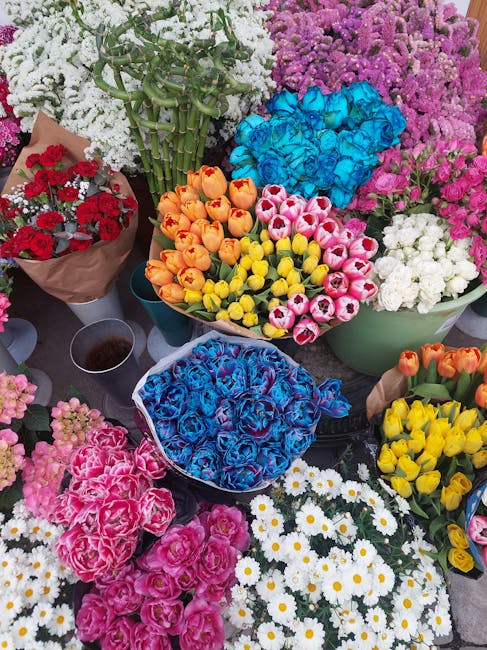
Why Haringey council rules for flower stalls matter
Haringey council rules for flower stalls matter because a flower stall is not just a display of stock; it is a trading activity in a public or controlled space. That means there are usually expectations around permission, pitch allocation, trading hours, cleanliness, safety, and the way you use the pavement or market space. If you ignore those expectations, you can quickly end up with a warning, a refusal, or a stall that never gets properly established.
For many traders, the first surprise is that the council is looking at more than sales. They are also considering public access, nuisance, waste, obstruction, and the overall effect on the area. In a busy London borough, that makes sense. Nobody wants bunches, crates, signs, and water containers spilling into a footway where people already move fast and space is tight. Not ideal on a wet Tuesday morning when everyone is in a hurry.
It also matters because flower stalls can be seasonal and highly visible. A Christmas display, Mother's Day trading, or a Valentine's set-up can look fantastic, but temporary peaks still need to fit the same basic rules. The council may be more tolerant of a tidy, well-managed operation than a chaotic one, but tolerance is not a strategy.
One practical thing people miss is how closely local trading rules and site management go together. You may be allowed to sell flowers in one location but not another, or you may need a market operator's permission as well as council approval. In other words, the answer is rarely just "yes" or "no". It is usually "yes, if you do it this way".
Key takeaway: If you want a flower stall in Haringey to work long term, treat council compliance as part of the business model, not an admin afterthought. The better you plan the rules side, the easier everything else becomes.
How Haringey council rules for flower stalls works in practice
The exact process depends on where and how you want to trade, but the structure is usually similar. You identify the location, check whether the space is council-managed or privately managed, ask what permission is required, and then prepare the information needed to trade legally and safely. Simple on paper. A bit messier in real life, as these things tend to be.
In practice, flower stalls often fall into one of a few arrangements:
- Market pitch trading where a market operator or site manager controls stall allocation.
- Street or pavement trading where permission may be needed to use public space and avoid obstruction.
- Shopfront or forecourt trading where the business controls the frontage but still needs to think about public access and local conditions.
- Temporary trading such as seasonal pop-ups, events, or short-term sales near busy pedestrian areas.
Each arrangement brings different expectations. A market pitch may involve stall fees, set trading hours, pitch dimensions, and display rules. A pavement-facing display may raise questions about access for pedestrians, prams, wheelchairs, or emergency movement. Seasonal trading might require extra notice or temporary approval. The details matter, and the wrong assumption can be costly.
You will also need to think about the practical side of running the stall. Flowers need water, shade where possible, quick stock rotation, and safe transport. Spilled water can create a slip risk. Unsecured buckets can tip. Cardboard and wrapping material can pile up fast. None of this sounds glamorous, but councils pay attention to exactly this sort of thing.
If you are building a wider flower business and need reliable support for stock planning and customer orders, pages like florist services in South Tottenham and local flower shops in South Tottenham can help you see how a retail-floristry setup can sit alongside a stall model. For time-sensitive selling, the same-day and next-day options at same-day flower delivery and next-day flower delivery also show how customers now expect speed as well as presentation.
One more point worth saying plainly: if a site looks busy but the trading arrangement is unclear, slow down. Ask the awkward questions. Who controls the pitch? Who collects fees? What happens if the council inspects the area? Better to feel mildly annoying now than very annoyed later.
Key benefits and practical advantages
Following Haringey council rules for flower stalls is not just about avoiding trouble. Done properly, it gives your business structure, credibility, and a better chance of steady trading. That is the bit people sometimes overlook when they are focused on the operational hassle.
- More predictable trading because you know where you stand on permissions and site use.
- Better customer confidence since a clean, organised stall feels more trustworthy.
- Lower risk of disruption from complaints, disputes, or enforcement action.
- Improved stock protection because you are planning for water, weather, storage, and layout properly.
- Stronger local reputation when your stall looks like part of the street, not a temporary obstacle.
There is also a commercial upside. A flower stall works best when people can browse quickly and buy without fuss. Clear pricing, tidy buckets, and a well-managed pitch make that easier. In a real-world setting, the difference between a stall that feels calm and one that feels scrambled can be a few thoughtful details: a stable display, readable signs, enough room to pass, and a setup that does not drip over the pavement.
If you sell for specific occasions, you can also align the stall with customer demand. For example, a display built around birthday flowers, sympathy flowers, or seasonal roses can help you respond to what people are actually looking for. If you need inspiration for product presentation, the category pages for birthday flowers, sympathy flowers, and roses are useful references for how a focused retail range can be organised.
And let's be honest, a flower stall that looks composed on a rainy day is doing a lot of silent selling. People notice. They may not say it out loud, but they do notice.
Who this is for and when it makes sense
This topic matters for anyone thinking about flower trading in or around Haringey, but especially for people who are moving from informal selling into a more structured arrangement. If you have been selling at occasional events, local fairs, or private functions, council rules can feel like a new layer of formality. That is normal. The jump from "I can sell flowers" to "I can legally and consistently trade here" is bigger than it looks.
You are likely to need this guidance if you are:
- a florist opening or testing a market stall;
- a trader expanding into public-facing flower sales;
- a seasonal seller planning around peak dates like Valentine's Day or Mother's Day;
- a business owner using a forecourt, kiosk, or pavement area for display and sales;
- a caterer, gift retailer, or event seller adding flowers as a complementary offer.
It also makes sense if you are comparing a stall against other sales channels. A street or market setup can give you immediate visibility and local footfall, but it also brings rules, weather exposure, and more operational moving parts. A delivery-led business can be simpler in some ways, while a stall can create personal contact and impulse sales. Which is better? That depends on your margin, stock turn, and the kind of customer relationship you want.
For sellers who want a wider commercial mix, it can help to compare stall trading with online or direct order fulfilment. If that is part of your model, pages like send flowers locally and flower delivery in South Tottenham give a useful picture of how customer demand can be captured beyond the stall itself.
When does it make sense to go ahead? Usually when you have done enough homework to know the pitch is viable, the paperwork is realistic, and the trading hours fit your stock and staffing. If any of those pieces are missing, pause. No drama. Just pause.
Step-by-step guidance
If you are serious about a flower stall in Haringey, a step-by-step approach keeps the process manageable. The order matters because rushing to buy stock before the site is confirmed is one of the easiest ways to waste money.
- Confirm the exact trading location. Find out whether the space is a market pitch, private frontage, event site, or public pavement area.
- Check who controls permissions. The council may be involved directly, or the site may be managed through another operator. Do not assume.
- Ask what type of consent is required. You may need permission for trading, trading hours, display equipment, or use of public space.
- Gather your business details. Be ready with identity, contact information, business name, insurance details, and what you plan to sell.
- Plan the stall layout. Think about entrances, exits, bucket placement, storage, and how customers will move around the stand.
- Prepare for cleanliness and waste. Have a bin, wrapping disposal plan, and a way to manage water and damaged stems.
- Review safety basics. Make sure signs, stands, and buckets are stable, and that there is no trip or slip risk.
- Test your product mix. Start with a practical range rather than overstocking every flower type under the sun.
- Keep records. Keep a note of permission dates, payments, contact names, and any trading conditions.
- Review performance after the first few sessions. Look at footfall, waste, weather impact, and what actually sold.
A sensible trader does not treat the stall as fixed on day one. It evolves. You might discover that certain colours sell better in one location, or that wrapped bunches move quicker than elaborate displays. A good setup is responsive, not stubborn.
If you need stock ideas that fit a compact stall, versatile ranges such as mixed-colour flowers, flowers in a vase, and best sellers can be practical starting points. They keep the display broad without making the stall look cluttered.
Expert tips for better results
A few small choices make a big difference on a flower stall. This is the part where the "expert" bit really comes from lived experience rather than theory.
1. Design for one-handed browsing. People often buy flowers while carrying bags, coffee, or the day's general stress. Make it easy for them to look, compare, and pick up a bunch without things toppling over.
2. Keep the strongest sellers at eye level. If your best-value bouquets are hidden behind taller displays, you are making people work too hard. They will just keep walking. Harsh, but true.
3. Use weather to your advantage. In cooler weather, blooms may last longer on display; in warm or windy conditions, you need tighter stock control and more frequent checks. London weather can turn in a blink, as anyone standing by a pitch at 8:00am knows.
4. Make pricing obvious. People often hesitate at stalls because they fear hidden costs. Clear pricing removes friction and can speed up sales.
5. Keep a simple signature range. A small number of recognisable styles helps customers remember you. For example, pairing a classic rose display with a bright mixed bouquet range is easier to manage than offering twenty different combinations.
6. Think about repeat visits. A nice first sale is good. A customer who comes back next week is better. That usually comes from consistency, a friendly welcome, and a stall that feels dependable.
7. Have a bad-weather plan. This sounds boring until a gust of wind flips a card display or rain starts getting into the wrapping paper. Then it becomes very important indeed.
If you are building a more premium look, browsing collections like luxury flowers or occasion-led ranges such as anniversary flowers can help you think about presentation and upsell structure. You do not have to offer everything. In fact, most of the time, less is better.

Common mistakes to avoid
Most problems with flower stalls are not dramatic. They are small, repeated oversights that pile up. The good news? Most are avoidable.
- Assuming the location is automatically fine. Just because others trade nearby does not mean your stall is approved.
- Buying stock before permission is confirmed. Flowers are perishable, and so is your budget.
- Ignoring access space. Blocking the footway is one of the fastest ways to create complaints.
- Underestimating waste. Wrapping, stems, damaged blooms, and water containers all need a plan.
- Making the stall too crowded. Too many products can make the display hard to browse.
- Forgetting seasonal demand shifts. A Mother's Day display is not the same as a midweek January stall.
- Using unstable fixtures. A wobbly stand or overloaded bucket display is a risk, plain and simple.
- Not documenting agreements. A verbal understanding is never as strong as a written one.
One mistake I see far too often is people treating a flower stall like a mini warehouse. It is not. It is a retail space, usually small, often exposed, and always public-facing. The display needs to be lean and easy to manage. That does not mean plain. It means intentional.
Another one: forgetting staffing realities. If the stall needs two people on busy days but only one person is available, service can become chaotic quickly. Customers sense that. They may not complain, but they drift away. Quietly, which is somehow worse.
Tools, resources and recommendations
You do not need a giant toolkit to run a flower stall well, but a few practical items make daily trading much smoother. Think simple, durable, and easy to clean.
- Sturdy buckets and containers for keeping stems hydrated and upright.
- Weather protection such as covers or a canopy where permitted.
- Clear signage for prices, offers, and contact details.
- Cleaning supplies including cloths, a bin, and spill management basics.
- Packaging that is tidy, quick to use, and suitable for customers carrying flowers home.
- Basic record-keeping for permissions, payments, stock turnover, and busy dates.
On the website side, there are also useful pages that support a florist's broader operating model. For example, flower care guidance can help you give customers practical aftercare advice, while delivery information is useful if your stall also feeds online or local order work. If you are trying to keep business operations and customer expectations aligned, those pages are worth a look.
For trust and transparency, business pages such as about us, guarantees, and terms and conditions can also support your wider customer journey. They are not directly about stall permissions, of course, but they matter when you want your business to look steady and legitimate.
If you are handling cards, gifts, or add-ons, the store pages for thank-you cards and flowers and chocolate show how small complementary products can lift average order value without overwhelming the stall.
Law, compliance, standards, and best practice
This is where careful wording matters. Council rules, trading permissions, and any related public-space requirements can vary by site and by setup, so it is not sensible to treat one trader's arrangement as a universal rule. Haringey council may have specific local requirements for markets, street trading, pavement use, or temporary trading, and those details should be checked for your exact pitch or location.
From a practical standpoint, the common compliance themes for a flower stall are usually straightforward:
- Permission: make sure you are authorised to trade in the chosen location.
- Access: do not obstruct pedestrians, cyclists, mobility users, or emergency access.
- Safety: keep displays stable, tidy, and free of slip or trip hazards.
- Cleanliness: manage waste, water, and packaging responsibly.
- Respect for neighbours: avoid noise, overspill, or clutter that creates complaints.
Depending on the setup, you may also need to think about insurance, food or drink add-ons, electricity use, fire safety for temporary structures, and general business obligations. It is worth saying clearly: if you are unsure whether something needs approval, ask before you proceed. Councils and site managers tend to prefer a direct question over a problem that appears later.
Best practice is to keep your operation simple and defensible. That means you can explain why your display is placed where it is, how you prevent obstruction, and how you manage the stall safely. If you can do that calmly, you are already ahead of a lot of pop-up traders.
Options, methods, or comparison table
If you are choosing between flower stall models in Haringey, the right option depends on your goals, budget, and appetite for admin. Here is a quick comparison to make the choices easier to weigh up.
| Option | Best for | Strengths | Watch-outs |
|---|---|---|---|
| Market stall | Regular footfall and repeat trading | Visible, established, easier to build routine | Pitch rules, set hours, operator fees, competition |
| Pavement-facing stall | Shopfront businesses and impulse buyers | Convenient, strong visibility, good for add-on sales | Access issues, space limits, permissions may be stricter |
| Temporary or seasonal stall | Testing demand or peak periods | Flexible, lower commitment, useful for events | Less predictable, may need extra approval, weather-sensitive |
| Delivery-led florist with small display | Businesses blending stall and online sales | More control over stock, broader reach | Less passing trade, more admin behind the scenes |
In many cases, a hybrid approach is the most sensible. A small display can support local sales while online orders keep revenue steadier. If you are exploring gift-led options as well, the range pages for gifts for her, gifts for him, and any occasion can help you think through product mix without overcommitting to one narrow lane.
Case study or real-world example
Picture a small trader setting up a flower stall near a busy Haringey shopping area on a Friday. The first instinct is to bring plenty of stock: mixed bouquets, roses, seasonal stems, wrapped hand-tied arrangements, and a few premium bunches for customers who want something a bit special. Sensible enough. But the stall also needs to work within the practical limits of the space.
So the trader checks the pitch rules first, confirms the permitted footprint, and keeps the display compact. Buckets are arranged so customers can browse without crowding the walkway. Prices are clearly marked. Wrapping and waste are collected in one container, not scattered around the stall. A small sign explains fresh stock arrives in the morning, so customers know the flowers are not leftovers from the day before. That tiny reassurance matters more than you might think.
By the afternoon, the trader notices a pattern: smaller bunches sell quickly during commuting hours, while a few higher-value bouquets move later in the day. On a second visit, the display is adjusted accordingly. Less clutter, stronger margins, smoother service. Nothing magical. Just decent trading discipline.
That sort of setup is exactly why council compliance matters. The rules are not there to spoil the fun. They make the stall easier to run, easier to buy from, and easier to keep operating without friction. Simple as that.
Practical checklist
Before you commit to a flower stall in Haringey, run through this checklist. It is not glamorous, but it will save you grief.
- Have I confirmed the exact location and who controls it?
- Do I know what permission or consent is needed?
- Have I checked the pitch size, hours, and any display limits?
- Do I understand how waste, water, and packaging will be managed?
- Is my stall layout safe, stable, and accessible?
- Have I planned for bad weather?
- Do I have the right business and insurance details ready?
- Have I chosen stock that suits the location and the likely footfall?
- Are prices clearly shown and easy to read?
- Have I kept a record of all agreements and contact details?
- Do I have a fallback plan if the pitch is unavailable or conditions change?
One tiny but useful habit: keep a folder, digital or paper, for everything related to the stall. Permissions, messages, receipts, pitch notes, even little reminders about what sold well. It sounds old-school. It also works.
Conclusion
What to know about Haringey council rules for flower stalls comes down to a simple idea: the better you understand the local trading framework, the easier it is to build a flower stall that is safe, tidy, and commercially sound. You do not need to know every detail on day one, but you do need to ask the right questions, check the right permissions, and plan your stall like a real business rather than a hopeful experiment.
Focus on the basics first: location, permission, safety, cleanliness, and a practical stock range. Then build from there. If the pitch works, the display is manageable, and the trading conditions fit your operation, you have something with real potential. If not, you have saved yourself from a messy start - and that is a win too.
If you are preparing your flower business for local trading, delivery, or a hybrid setup, it is worth reviewing your wider offer and customer journey as carefully as your stall layout. Small details add up. They really do.
Get a free quote today and see how much you can save.
And if you are still in the planning stage, that is perfectly fine. Better to build it properly than rush it and regret it later. A calm, well-run flower stall has a way of making life easier for everyone.
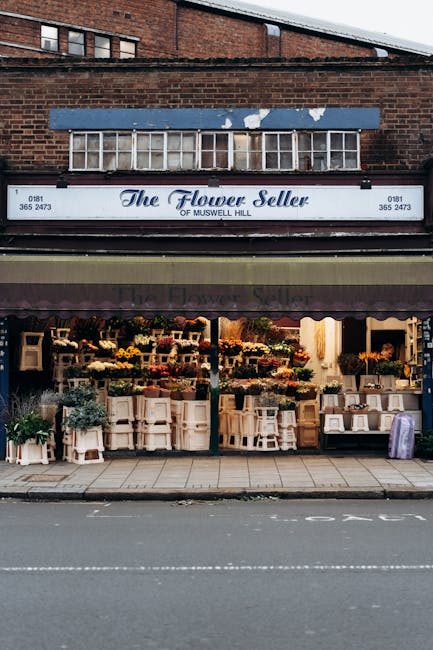
Frequently Asked Questions
Do I need council permission to run a flower stall in Haringey?
In many cases, yes, but the exact permission depends on where you plan to trade and how the site is managed. Some pitches are controlled through a market operator, while others may involve local authority approval or another form of consent. Always check the specific location first.
Can I sell flowers on the pavement outside a shop in Haringey?
Sometimes, but not automatically. Pavement-facing trading can raise access, safety, and permission issues, so you should not assume it is allowed just because the frontage belongs to the business. The space still needs to work for pedestrians and comply with the relevant rules.
What is the difference between a market stall and a street stall?
A market stall is usually managed through a market operator or designated site arrangement, while a street stall may involve trading in public space under different rules. The permissions, fees, and display conditions can be quite different, so the distinction matters.
How much space does a flower stall usually need?
That depends on the site and the trading model. A compact stall can work very well if the display is planned carefully, but you should check the permitted footprint rather than guessing. Space is often tighter than people expect, especially on busy streets.
Are there rules about waste and water from flower stalls?
Yes, in practice there usually are expectations about keeping the area clean and avoiding spills or litter. Flower water, wrapping, cut stems, and damaged stock all need to be managed properly. It is one of those unglamorous details that matters a lot.
Can I trade temporarily for events or peak seasons?
Possibly, but temporary trading still needs to fit the site rules and any local permissions. Seasonal peaks like Valentine's Day or Mother's Day can be busy, so it is sensible to confirm approval well in advance rather than waiting until the last minute.
What stock works best for a small flower stall?
Smaller, versatile ranges usually work best. Mixed bouquets, roses, simple vase arrangements, and a few seasonal lines can be easier to display and sell than a huge spread of products. The goal is to keep choice clear, not cluttered.
Do I need insurance for a flower stall?
It is strongly advisable, and in some setups it may be required. Public-facing trading brings everyday risks such as slips, trips, or accidental damage. Insurance is one of those things people hope they never need, until they really do.
How can I make a flower stall more attractive to customers?
Keep it tidy, use clear pricing, choose a simple colour story, and make browsing easy. A neat stall with fresh-looking stock and stable displays often sells better than a busy one that feels hard to navigate. Presentation counts, a lot.
What should I do before buying stock for the stall?
Confirm the pitch, the permission, the expected trading pattern, and the likely customer demand. Buying stock before the setup is secure is risky because flowers are perishable and margins can disappear quickly. It is better to start lean and scale up.
Where can I find support if I want to grow beyond the stall?
If your goal is a broader florist business, look at how your stall links with delivery, online ordering, product presentation, and care advice. Pages such as flower care, delivery, and florist services can help you shape a more complete offer around the stall.